

As businesses become more global, choosing where to hire, relocate, or expand is no longer just about market size. It is also about finding the right balance between compliance, operating costs, talent access, and taxation.
Countries with no income tax continue to attract entrepreneurs, multinational companies, remote professionals, and investors looking to optimise their tax planning while maintaining a strong international presence. However, a tax-free destination does not necessarily mean you will pay no taxes at all. Many countries without income tax still apply corporate tax, property tax, value-added tax (VAT), payroll tax, or other tax obligations depending on your activities and residency status.
This guide explores 15 tax-free countries with no income tax in 2026 explains how their tax systems work, and highlights what employers, HR teams, business owners, and employees should consider before relocating or hiring internationally.
What Is a Tax-Free Country?
A tax-free country is generally a jurisdiction that does not impose personal income tax on salaries, wages, or other employment income. In many cases, residents and expatriates can legally earn income without paying personal income taxes to the local government.
However, this does not mean the country has no taxes whatsoever. Every tax regime is different, and many tax-free countries generate government revenue through alternative taxes such as corporate income tax, property tax, customs duties, tourism levies, or value-added tax.
Understanding these differences is essential for anyone evaluating countries with no income tax, whether for business expansion, relocation, or remote work.
What does “no income tax” actually mean?
When a country advertises zero income tax, it usually means there is zero personal income tax on salaries and wages. Employees generally do not pay tax on employment income earned within that country.
That said, tax rules vary considerably between jurisdictions. Some countries:
- Impose no personal income tax but levy corporate tax on businesses.
- Exempt employment income while taxing investment income.
- Apply tax on foreign income under specific circumstances.
- Require individuals to become a tax resident before qualifying for local tax benefits.
- Continue to impose social security or payroll contributions.
For employers, understanding these differences is just as important as knowing the headline income tax rate. Hiring employees in another country still requires compliance with local employment laws, payroll regulations, and reporting requirements.
Income tax is only one part of the tax system
One of the biggest misconceptions is assuming a country with no taxes eliminates every tax obligation. In reality, businesses and individuals may still encounter several other forms of taxation.
| Tax Type | May Apply in Tax-Free Countries? |
|---|---|
| Personal income tax | Often no |
| Corporate income tax | Sometimes |
| Property tax | Varies by country |
| Value-added tax (VAT) | Common |
| Capital gains tax | Depends on jurisdiction |
| Payroll tax | May apply |
| Withholding tax | Country-specific |
| Inheritance tax | Rare but possible |
For example, the United Arab Emirates offers zero personal income tax, but many businesses are now subject to corporate tax under specific conditions. Similarly, Caribbean countries may not impose income tax on individuals while still collecting revenue through import duties, tourism taxes, or real estate-related charges.
Tax-free countries are not always tax havens
The terms tax-free countries and tax havens are often used interchangeably, but they are not the same.
A tax haven generally refers to a jurisdiction offering favourable tax rules alongside financial privacy or investment incentives. Many tax-free countries have transparent regulatory systems, international tax treaties, and robust compliance standards that support legitimate business activity rather than aggressive tax avoidance.
For global employers, selecting the right country should involve more than comparing the lowest tax rates. Workforce availability, labour regulations, political stability, infrastructure, and ease of doing business often have a greater long-term impact on successful international expansion.
How We Selected These 15 Tax-Free Countries
Not every country without income tax offers the same opportunities for businesses or individuals. Some are global financial centres with advanced infrastructure, while others have limited employment markets or residency pathways.
To create this list, we evaluated each country using practical criteria that matter to employers, HR leaders, entrepreneurs, remote workers, and internationally mobile professionals—not just the headline tax rate.
Countries with no income tax
Every country included either imposes zero personal income tax or generally exempts employment income from taxation for residents and eligible workers.
Overall tax regime
We looked beyond income taxes to assess the broader tax system, including:
- Corporate tax rates
- Property tax
- Value-added tax
- Capital gains tax
- Withholding tax
- Payroll tax
- Other local tax obligations
This provides a more accurate picture of each country’s overall tax burden.
Business environment
For companies expanding internationally, tax is only one factor.
We considered:
- Ease of doing business
- Availability of skilled talent
- Labour regulations
- Payroll requirements
- Foreign investment policies
- Regulatory transparency
Residency and immigration options
Many tax advantages depend on whether you become a tax resident.
We reviewed:
- Residency programmes
- Investment visas
- Digital nomad visas
- Golden Visa schemes
- Long-term residence pathways
Quality of life
Relocating employees or executives involves more than tax planning.
We also considered:
- Healthcare
- Education
- Infrastructure
- Safety
- Connectivity
- Cost of living
- Lifestyle
Suitability for international expansion
Finally, we assessed how practical each destination is for businesses hiring internationally.
For many organisations, establishing a legal entity simply to employ one or two people is unnecessary. An Employer of Record (EOR) can often provide a faster and compliant alternative by managing employment contracts, payroll, and local HR obligations while allowing businesses to enter new markets without setting up a local company.
Quick Comparison Of The 15 Tax-Free Countries
Before exploring each destination in detail, here’s a high-level comparison of the 15 countries with no income tax in 2026.
| Country | Personal Income Tax | Corporate Tax | Residency Available | Best For |
|---|---|---|---|---|
| United Arab Emirates | 0% | Yes (certain businesses) | Yes | Regional headquarters, startups, global hiring |
| Qatar | 0% | Limited | Yes | Energy, finance, expatriates |
| Bahrain | 0% | Limited | Yes | Financial services, entrepreneurs |
| Kuwait | 0% | Limited | Yes | Professionals and regional operations |
| Oman | 0% | Yes | Yes | Manufacturing and investment |
| Saudi Arabia | 0% | Yes | Yes | Large-scale business expansion |
| Cayman Islands | 0% | No corporate income tax | Yes | Investment funds, finance |
| Bermuda | 0% | No corporate income tax | Yes | Insurance and financial services |
| British Virgin Islands | 0% | No corporate income tax | Yes | International business structures |
| Bahamas | 0% | No personal income tax | Yes | Remote work and investment |
| Monaco | 0%* | Limited | Yes | High-net-worth individuals |
| Turks and Caicos | 0% | Limited | Yes | Lifestyle and tourism |
| Vanuatu | 0% | Limited | Yes | Investors and entrepreneurs |
| Brunei | 0% | Yes | Limited | Energy sector professionals |
| Maldives | 0% | Yes | Limited | Tourism and hospitality |
Note: Tax laws change regularly. Corporate tax, residency rules, and tax obligations differ between countries and should always be verified before making relocation or expansion decisions.
15 Tax-Free Countries With No Income Tax In 2026
Choosing the best tax-free country depends on your goals. Some destinations are ideal for building an international business, while others are better suited to investment, remote work, or executive relocation.
Below are 15 of the best countries with no income tax to consider in 2026.
1. United Arab Emirates (UAE)
The United Arab Emirates remains one of the world’s most attractive tax-free countries thanks to its zero personal income tax, world-class infrastructure, and business-friendly environment.

Why businesses choose the UAE
- Zero personal income tax on salaries
- Modern banking system
- Global aviation hub
- Numerous free zones
- Strong legal framework for international companies
Although the UAE introduced a federal corporate tax for qualifying businesses, employees generally continue to pay no personal income tax on employment income.
For international employers, the UAE also offers one of the region’s strongest ecosystems for hiring, making it a popular destination for regional headquarters and global expansion.
2. Qatar
Qatar imposes no personal income tax on salaries, making it one of the Gulf region’s leading destinations for expatriate professionals.

The country combines significant public investment, a modern economy, and growing opportunities across finance, energy, healthcare, and technology.
Businesses hiring in Qatar should still understand local labour regulations, employment contracts, immigration requirements, and payroll compliance.
3. Bahrain
Bahrain is a tax-free country known for its open economy and well-developed financial services sector.

Bahrain is a tax-free country for individuals because salaries are generally exempt from personal income tax. This has helped attract multinational companies seeking a regional base in the Gulf.
Its relatively lower operating costs compared with neighbouring countries also appeal to startups and growing businesses.
4. Kuwait
Kuwait continues to impose no personal income tax on employment income, making it attractive for professionals seeking higher take-home pay.

The country’s economy remains heavily influenced by the energy sector, although diversification efforts continue to create opportunities in infrastructure and services.
Foreign employers should still comply with Kuwaiti employment law, visa regulations, and payroll requirements.
5. Oman
Oman combines zero personal income tax with growing investment in logistics, manufacturing, tourism, and renewable energy.

The government has introduced reforms to diversify the economy while maintaining an attractive environment for foreign investors.
Companies expanding into Oman should evaluate both tax considerations and workforce availability before entering the market.
6. Saudi Arabia
Saudi Arabia does not impose personal income tax on salaries, although businesses may face corporate taxation and other regulatory obligations.

Large-scale investment projects under Vision 2030 continue to create opportunities across construction, technology, healthcare, tourism, and manufacturing.
The Kingdom remains one of the Middle East’s largest employment markets for international businesses.
7. Cayman Islands
The Cayman Islands are widely recognised among the world’s leading financial centres.
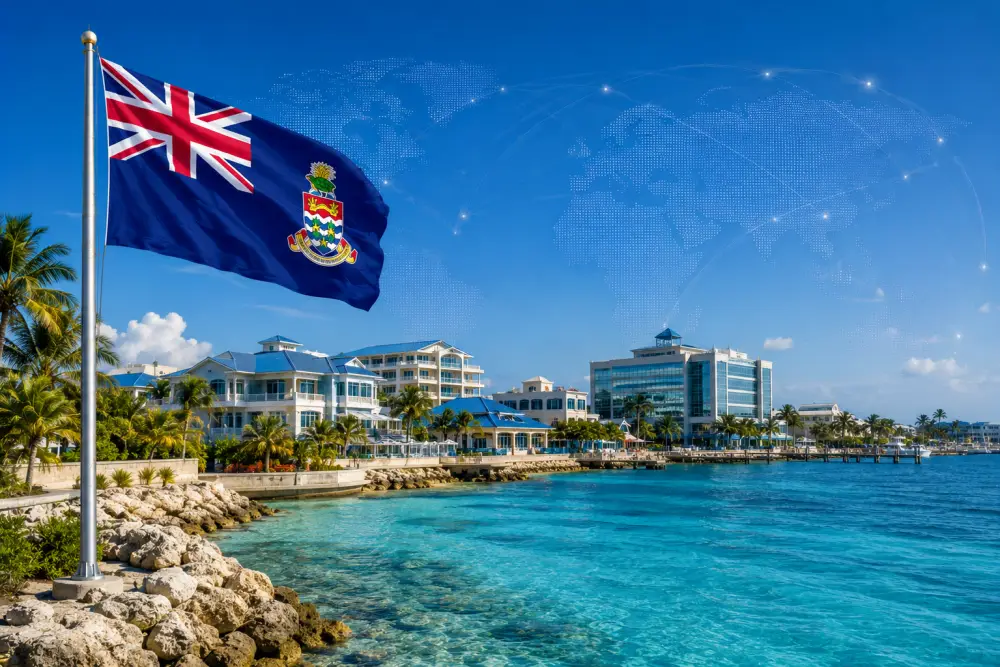
Residents generally pay no personal income tax, no capital gains tax, and no corporate income tax, making the jurisdiction popular for investment funds and international finance.
However, the cost of living is significantly higher than many other tax-free destinations.
8. Bermuda
Bermuda offers zero personal income tax alongside a sophisticated insurance and financial services industry.

Rather than relying on income taxes, the government raises revenue through payroll taxes, customs duties, and other local charges.
Businesses considering Bermuda should evaluate overall operating costs alongside tax benefits.
9. British Virgin Islands
The British Virgin Islands remain a well-known jurisdiction for international business structures.

Individuals generally do not pay personal income tax, while companies benefit from a straightforward corporate environment.
Recent international transparency requirements have increased compliance expectations for businesses operating in the territory.
10. Bahamas
The Bahamas continues to attract entrepreneurs, investors, and remote workers looking for a country without income tax.

Key advantages include:
- No personal income tax
- No capital gains tax
- Digital residence programmes
- Strong tourism economy
- English-speaking business environment
The Bahamas has also become increasingly popular among internationally mobile professionals seeking tax residency in another jurisdiction.
11. Monaco
Monaco is famous for offering zero personal income tax to most residents.

Its location, luxury lifestyle, and stable economy continue to attract entrepreneurs and wealthy individuals from around the world.
However, becoming a tax resident requires meeting strict residency requirements, and French citizens are subject to different tax rules.
12. Turks and Caicos
This Caribbean destination imposes no personal income tax while offering an attractive lifestyle and growing tourism industry.
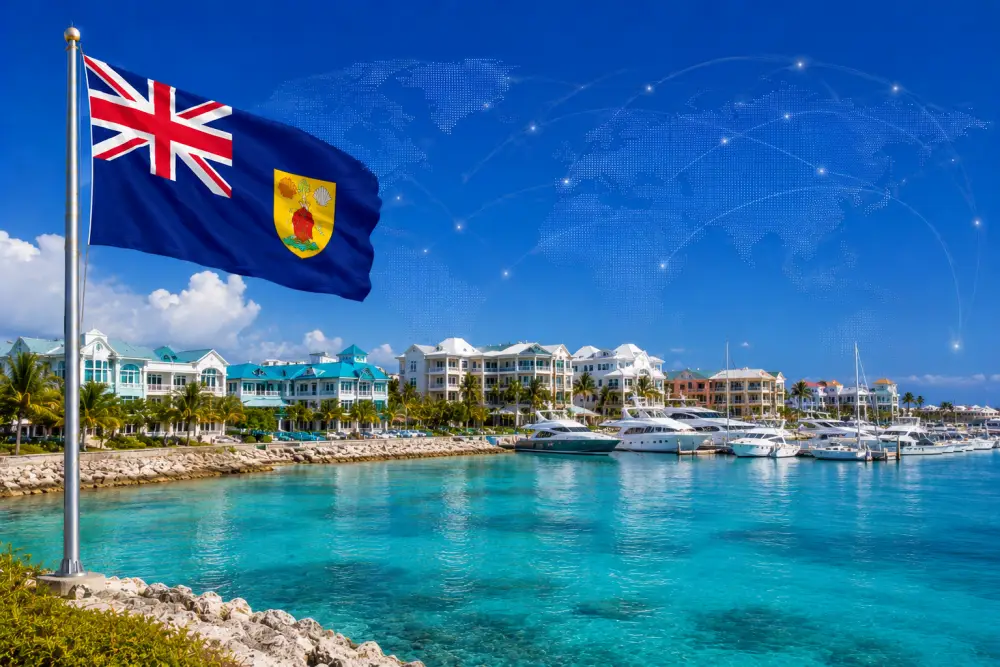
The islands appeal to remote workers, retirees, and entrepreneurs seeking a simpler tax environment.
As with many Caribbean countries, import duties and other indirect taxes remain important sources of government revenue.
13. Vanuatu
Vanuatu offers zero income tax alongside investment-based residency opportunities.

The country has become increasingly popular with internationally mobile entrepreneurs seeking flexible tax residency options.
Prospective residents should carefully review local tax laws, banking access, and business infrastructure before relocating.
14. Brunei
Brunei imposes no personal income tax and maintains a stable economy supported by oil and gas production.

While employment opportunities are more limited than in larger Gulf economies, the country continues to attract professionals working in specialised industries.
Foreign employers should assess local hiring regulations before expanding operations.
15. Maldives
The Maldives completes our list of the 15 countries with no income tax in 2026.

While best known for tourism, the country also offers zero personal income tax on salaries, making it attractive for professionals working in hospitality, luxury services, and international resorts.
Businesses entering the Maldivian market should evaluate employment regulations, payroll compliance, immigration requirements, and sector-specific licensing alongside the country’s favourable tax environment.
Which Tax-Free Country Is Best for Different Types of People?
The best tax-free country depends on your priorities. While zero personal income tax is attractive, factors such as business regulations, talent availability, residency options, and quality of life often have a greater impact on long-term success.
Whether you’re expanding a business, relocating as an employee, or building a remote workforce, it’s worth looking beyond the headline tax rate.
| Your Goal | Recommended Country | Why It Stands Out |
|---|---|---|
| International business expansion | United Arab Emirates | Strong infrastructure, skilled workforce, global connectivity |
| Startup founder | Bahrain | Business-friendly environment and competitive operating costs |
| Remote worker | Bahamas | No personal income tax and flexible residency options |
| High-net-worth individual | Monaco | Zero personal income tax and premium lifestyle |
| Investment fund or financial services | Cayman Islands | Established financial sector and favourable tax regime |
| Regional headquarters in the Middle East | Qatar | Modern economy and strategic location |
| Tourism or hospitality investment | Maldives | Growing tourism industry and favourable tax environment |
For employers expanding internationally
For employers, choosing among tax-free countries should involve more than comparing tax rates in the world.
Questions worth asking include:
- Is skilled talent readily available?
- How easy is it to hire local employees?
- What employment laws apply?
- Are payroll and HR requirements straightforward?
- Can you hire without establishing a local legal entity?
A country that offers zero income tax but has complex hiring regulations may not always be the most practical choice. Many organisations prioritise speed to market, compliance, and workforce flexibility alongside tax efficiency.
Tax-Free Countries vs Low-Tax Countries
Countries with no income tax often attract the most attention, but they are not the only option for businesses or individuals looking to reduce their tax burden.
Many low-tax countries combine competitive tax rates with larger economies, broader talent pools, and more developed business ecosystems.
Understanding the difference
A tax-free country generally imposes no personal income tax on salaries.
A low-tax country still levies income taxes but often offers:
- Lower personal income tax rates
- Competitive corporate tax rates
- Territorial tax systems
- Tax exemptions for certain types of foreign income
- Extensive tax treaties
For many businesses, these advantages may outweigh relocating to a country with no taxes.
| Tax-Free Countries | Low-Tax Countries |
|---|---|
| United Arab Emirates (UAE) | Singapore |
| Bahrain | Hong Kong |
| Qatar | Cyprus |
| Cayman Islands | Estonia |
| Bahamas | Bulgaria |
| Monaco | Georgia |
When a low-tax country makes more sense
A lower tax rate does not necessarily mean a higher overall tax burden.
Countries like Singapore and Estonia offer predictable tax systems, strong legal frameworks, skilled workforces, and extensive international business networks. Although businesses and individuals still pay income tax, the overall commercial environment can make expansion easier than in smaller jurisdictions.
For companies hiring internationally, labour regulations, infrastructure, banking, and market access often influence location decisions more than tax alone.
Do You Still Have Tax Obligations In A Tax-Free Country?
Moving to a country without income tax does not automatically eliminate your tax obligations.
Your overall tax liability depends on several factors, including your country of citizenship, tax residency, the source of your income, and local tax law.
You may still pay other taxes
Even in countries with zero personal income tax, you could still encounter:
- Corporate income tax
- Property tax
- Value-added tax (VAT)
- Payroll tax
- Customs duties
- Withholding tax
- Tourism or municipal taxes
These taxes vary significantly between countries and territories.
Foreign income may still be taxable
Some jurisdictions operate a territorial tax system, meaning they only tax income earned locally.
Others may apply tax on foreign income under certain circumstances.
In addition, your home country could continue taxing your worldwide income if you remain a tax resident there.
For example, the United States taxes its citizens on worldwide income regardless of where they live, although provisions such as the Foreign Earned Income Exclusion and foreign tax credit may reduce double taxation in qualifying situations.
Tax advice matters
International tax rules are rarely straightforward.
Before relocating or restructuring a business, seek professional tax advice to understand:
- Whether you remain subject to income tax elsewhere
- Your reporting requirements
- Applicable tax treaties
- Potential tax exemptions
- Cross-border tax planning opportunities
How Tax Residency Works
Tax residency determines where you are legally required to pay tax. It is one of the most important concepts to understand before moving to a tax-free country.
Simply living abroad for a short period does not necessarily change your tax residency.
When are you considered a tax resident?
Each country has its own rules, but common factors include:
- Spending more than 183 days in the country
- Maintaining a permanent home
- Having close personal or economic ties
- Location of employment or business activities
- Family residence
Meeting these conditions may mean you become a tax resident and qualify under the local tax regime.
Tax residency is different from citizenship
Holding a residence permit or visa does not automatically change where you pay tax.
Likewise, obtaining citizenship does not always remove your tax obligations in another country.
Understanding when you are considered a tax resident is essential before assuming you can pay no income tax.
Practical example
Imagine a UK business owner relocating to the UAE while continuing to operate internationally.
Although the UAE offers zero personal income tax, the owner must still determine:
- Whether they remain UK tax resident
- Where business profits are taxed
- Whether foreign income is taxable
- Which reporting obligations continue to apply
Proper tax planning before relocation can help avoid unexpected liabilities later.
Hiring Employees In Tax-Free Countries
Hiring employees internationally involves much more than selecting a favourable tax jurisdiction.
Employers must comply with local employment law, payroll requirements, immigration rules, and statutory benefits regardless of whether a country imposes personal income tax.
Employer responsibilities remain
Even in zero income tax countries, employers may still need to manage:
- Employment contracts
- Payroll administration
- Social security contributions
- Employee benefits
- Immigration compliance
- Annual reporting
- Local labour regulations
A tax-free environment does not remove these obligations.
How an Employer of Record simplifies hiring
For businesses expanding globally, establishing a legal entity in every country is often unnecessary.
An Employer of Record (EOR) enables companies to hire employees legally without opening a local subsidiary.
An EOR typically manages:
- Employment contracts
- Payroll
- Benefits administration
- HR compliance
- Local tax and employment reporting
- Ongoing regulatory updates
This allows businesses to enter new markets faster while reducing administrative complexity and compliance risk.
For organisations exploring tax-free countries, an EOR can provide a practical route to building an international workforce without delaying expansion.
Tax Planning Considerations Before Relocating
Relocating for tax reasons should never be based solely on the promise of zero tax.
Effective tax planning considers your personal circumstances, business activities, residency status, and long-term goals.
Key questions to ask
Before relocating, consider:
- Will you become a tax resident?
- Will your home country continue taxing your worldwide income?
- Are there tax treaties between both countries?
- Does the country offer a territorial tax system?
- What corporate tax rules apply?
- Are capital gains or property purchases taxed?
- Will your business create a permanent establishment?
Look beyond tax savings
Businesses should also evaluate:
- Talent availability
- Political stability
- Banking access
- Digital infrastructure
- Immigration policies
- Time zone advantages
- Market access
- Employment compliance
Choosing the right location involves balancing tax efficiency with operational success.
Ready To Expand Into Tax-Free Countries With Confidence?
Choosing among the best tax-free countries is about far more than finding the lowest tax rate. The right destination should support your business goals, workforce strategy, compliance requirements, and long-term growth.
Whether you’re relocating employees, entering a new market, or hiring talent in countries with no income tax, understanding local employment laws, tax residency, and payroll obligations is just as important as comparing tax systems.
If you’re planning international expansion, Empleyo can help you hire employees quickly and compliantly through our Employer of Record (EOR), global payroll, and international HR solutions. Contact us to discuss your expansion plans and discover how we can help you build a global workforce without the complexity of establishing local entities.