

Most founders assume starting a business in Japan is slow, rigid, and paperwork-heavy.
That’s only half true.
Japan is one of the most stable economies in the world, with strong consumer demand and a reputation for quality. But what makes it interesting right now is not stability, it’s opportunity gaps.
Many Japanese companies are struggling to adapt to global markets, digital transformation, and talent shortages. That creates space for foreign-led innovation.
For foreign entrepreneurs in Japan, this means you’re not just entering a market, you’re entering a market that needs you.
The smarter question is not can you start a business in Japan.
It’s how fast can you validate the opportunity before committing to full company setup.
Can a Foreigner Start a Business in Japan?
Yes, a foreigner can start a business in Japan.
But this is where things get misunderstood.
Legally, there are no restrictions preventing foreign nationals from owning or operating a company in Japan. You can register your business, become a representative director, and operate like any local founder.
The real barrier is not ownership. It’s status of residence.
If you want to live in Japan while running your business, you’ll need the right visa in Japan. Without it, you can own a company, but not actively manage it on the ground.
This is why many founders initially operate from their home country, or partner with someone who is already a resident in Japan.
So yes, you can start a business.
But where you operate from, and under what visa, changes everything.
Understanding the Business Manager Visa in Japan
The Business Manager Visa is the most common route for foreign founders who want to set up a business and live in Japan.
On paper, it sounds straightforward.
In reality, it’s where most founders slow down.
To qualify, you typically need:
- A physical office in Japan (not a virtual address)
- A detailed business plan
- Capital of at least 5 million yen
- A registered company in Japan
- Supporting documents for a certificate of eligibility
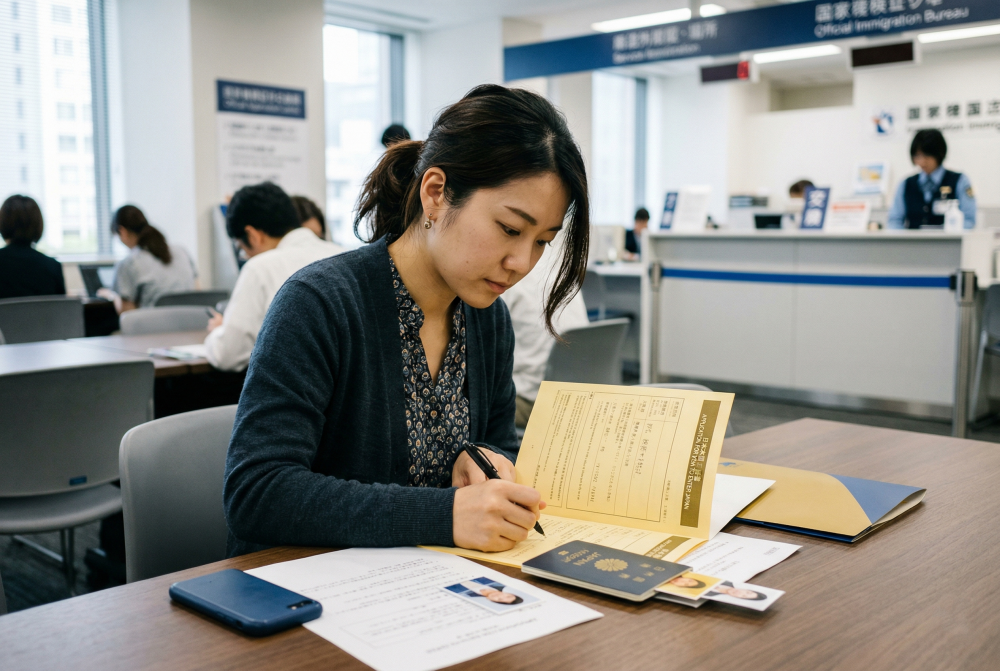
You’ll apply through the immigration bureau, and once approved, your visa is valid for managing your business operations.
The visa assumes you’ve already completed much of the setup.
That means you often need to invest time and capital before knowing if your business will work in the Japanese market.
For many founders, this creates unnecessary risk early in the process.
Choosing the Right Company Structure in Japan
Before you register a company in Japan, you need to choose the right business structure.
The two most common options are:
- Kabushiki Kaisha (KK) – a joint-stock company, often preferred by larger or more traditional businesses
- Godo Kaisha (GK) – a limited liability company, simpler and more flexible
Most foreign founders choose a GK when starting a company in Japan because:
- Lower setup costs
- Faster incorporation
- Less rigid governance
However, a KK can offer stronger credibility when dealing with Japanese nationals, partners, or enterprise clients.
This decision affects everything, from your business registration process to how your new company is perceived in the market.
So it’s not just legal. It’s strategic.
Step-by-Step Guide to Setting Up a Business in Japan
This is where theory turns into execution.
Yes, you can set up a business in Japan. But the process involves multiple various procedures, and each step depends on the one before it.
These numbers also reflect Japan’s broader economic transformation. As companies digitize operations and globalize supply chains, demand for specialized skills is increasing.
This shift is already visible in the highest-paying jobs in Japan, where international companies and Japanese firms now compete for the same talent pool.
1. Define Your Business and Structure
Start with your type of business and type of company.
You’ll need a clear business plan, the name of the company, and details about your operations. This becomes the foundation for everything, from your visa application to your company registration.
2. Prepare and Notarize Articles of Incorporation
Next, you’ll draft your articles of incorporation.
For a KK, these must go through notarization of the articles at a notary office. This step makes your company legally recognizable.
You’ll also need to purchase revenue stamps and ensure all required documents are accurate.
In short: no shortcuts here.
3. Secure a Business Address
You must have a physical office in Japan.
This usually involves signing a lease agreement before you even complete registering a company. Virtual offices are typically not accepted for visa purposes.
This step alone delays many foreign entrepreneurs.
4. Open a Bank Account
Opening a bank account in Japan is one of the most underestimated challenges.
To open a bank account, you often need:
- A registered company
- A local address
- A representative director who is a resident in Japan
Without these, opening a corporate bank account can be difficult.
Many founders start with a personal bank account or rely on partners to open an account initially.
Japan’s japanese banking system is reliable, but not always foreigner-friendly.
5. Register the Company
Finally, you complete your business registration at the Legal Affairs Bureau.
This step officially establishes your company in Japan.
You’ll submit all required documents, including:
- Articles of incorporation notarized
- Company details
- Director information
Once approved, your new company legally exists.
You’ll also create a company seal and obtain a seal certificate, which is used in contracts, banking, and official filings.
At this point, you’ve technically completed establishing a company.
But here’s the bigger insight:
Setting up the company is just the beginning. The real complexity starts when you try to operate, hire, and scale within Japan.
(And that’s where most businesses start looking for smarter alternatives.)
The Hidden Complexity of Establishing a Company in Japan
On paper, establishing a company in Japan looks structured and predictable.
In reality, it’s layered.
Each step, articles of incorporation notarized, business registration, opening a bank account, securing a seal certificate, depends on the previous one. Miss one detail, and the process resets.
Many business owners underestimate:
- The need to coordinate with a notary office, banks, and the Legal Affairs Bureau
- The importance of a company seal for almost every official action
- The challenge of aligning visa status, office setup, and company registration at the same time
Most foreign founders end up working with an administrative scrivener for consultation, simply to navigate documentation and compliance.
And even after setting up a company, you’re not fully operational yet.
You still need to handle taxes, payroll, and ongoing compliance, often with limited local support.
Hiring Employees After You Set Up a Business
Here’s where things get more complex.
Once your company in Japan is registered, hiring employees in Japan introduces a new layer of obligations:
- Social insurance registration
- Payroll setup
- Labor law compliance
- Reporting to multiple government agencies
If you’re a foreign company expanding into Japan, this can quickly become resource-intensive.
You’ll also need to ensure your own status of residence aligns with your role in the company. If you’re hiring locally while managing operations, your work visa or business visa must reflect that.
This is where many founders realize:
Setting up a business is one thing.
Running it compliantly is another.

A Smarter Way to Enter Japan Without Setting Up a Company
This is the part most guides don’t tell you.
You don’t always need to set up a business in Japan to start hiring or operating.
Instead of going through full company registration, opening a corporate bank account, and applying for a Business Manager Visa, many companies choose a more flexible approach.
By working with an Employer of Record (EOR), you can:
- Hire employees in Japan without establishing a company
- Avoid immediate visa sponsorship complexity
- Start operations while validating your new business
This is especially useful for companies testing the market or building a team before committing to a subsidiary company.
It also removes the need to immediately apply for an investor visa or navigate multiple agencies like the immigration bureau or Japan Patent Office.
In short: you move faster, with less risk.
When Should You Actually Register a Company in Japan?
Despite the alternatives, there are moments when registering a company makes sense.
You should consider full incorporation when:
- You plan long-term operations within Japan
- You need direct control over contracts and revenue
- You want to build a strong local brand presence
- You’re ready to scale hiring and operations
At this stage, the investment in establishing a company aligns with your growth.
But early on, forcing a full setup can slow momentum.
A smarter approach is often:
Test → Hire → Validate → Then Register
Need Help Getting Started in Japan?
Expanding into Japan doesn’t have to mean navigating every step alone, from business registration to opening a bank account or securing a certificate of eligibility.
If you’re exploring how to start a business in Japan, hire talent, or simply want consultation on the best approach, Empleyo can help.
Want to enter Japan without unnecessary friction? Get help from our team and start building your presence faster.
Japan Salary Trends to Watch in 2026
Looking ahead, several trends are shaping the future of compensation.
First, average salary in Japan increases are becoming more common. As companies face labor shortages, they are gradually raising wages to attract talent.
Second, globalization is influencing salary structures. International companies often benchmark pay against global standards rather than local norms.
Third, demographic pressure is reshaping the labor market. As more workers approach retirement, companies must compete harder for younger professionals and specialized talent.
These shifts mean the average annual salary in Japan is expected to continue rising gradually over the next few years.
For both employers and job seekers, the key takeaway is simple: Japan’s labor market is becoming more dynamic than it has been in decades.
Ready to Hire Talent in Japan Without Setting Up a Company?
Understanding the average salary in Japan, evolving wages in Japan, and the cost of living in cities like Tokyo and Yokohama is essential for companies planning to hire in 2026. But knowing the numbers is only part of the equation.
The real challenge is navigating local employment regulations while building a team quickly and compliantly.
With an Employer of Record (EOR), companies can hire professionals in Japan without establishing a local entity, while ensuring compliance with Japanese labor laws, payroll requirements, and tax obligations.
If you’re exploring Japan for 2026, planning to hire foreign workers, or simply need guidance on how to get started, Empleyo can help.
Want to explore your options for hiring in Japan? Get in touch with our team and we’ll help you get started.